Context
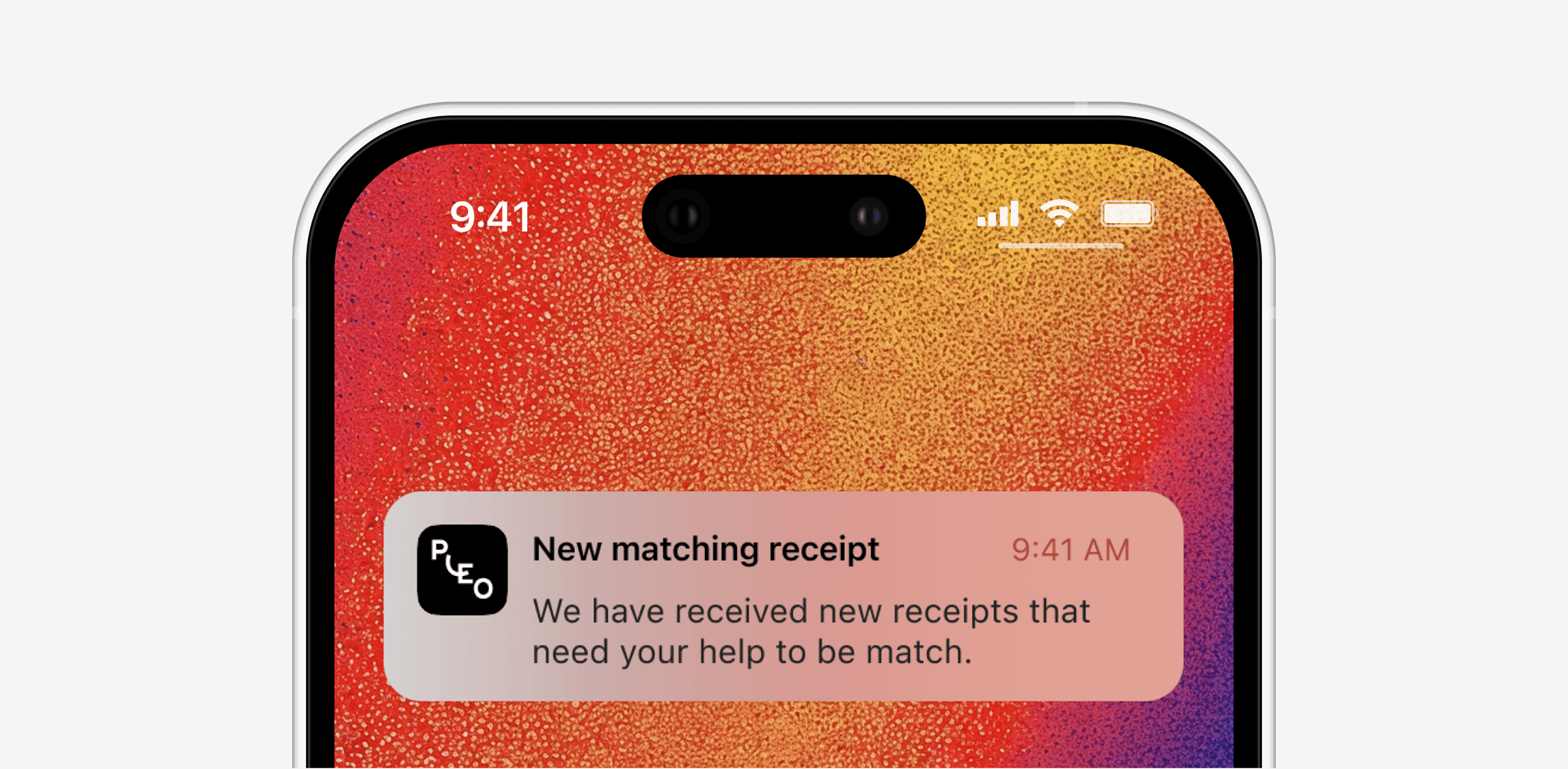
Pleo automatically matched forwarded receipts to expenses. But 25% of receipts failed to match. Those receipts were rejected, even when they were probably relevant. Users had to screenshot, re-upload, or send receipts again. Finance teams had to chase missing documentation.
My role
I led product design for Receipt Inbox. I worked across product, engineering, ML, mobile, customer success, and finance workflows. My focus was research, problem framing, stakeholder alignment, interaction design, and launch iteration.
Problem
The system was too binary. Receipts were either auto-attached or rejected. There was no middle ground for uncertain matches. This created manual work and reduced trust in automation. The challenge was to recover more receipts without exposing sensitive data or making users feel out of control.
What shipped
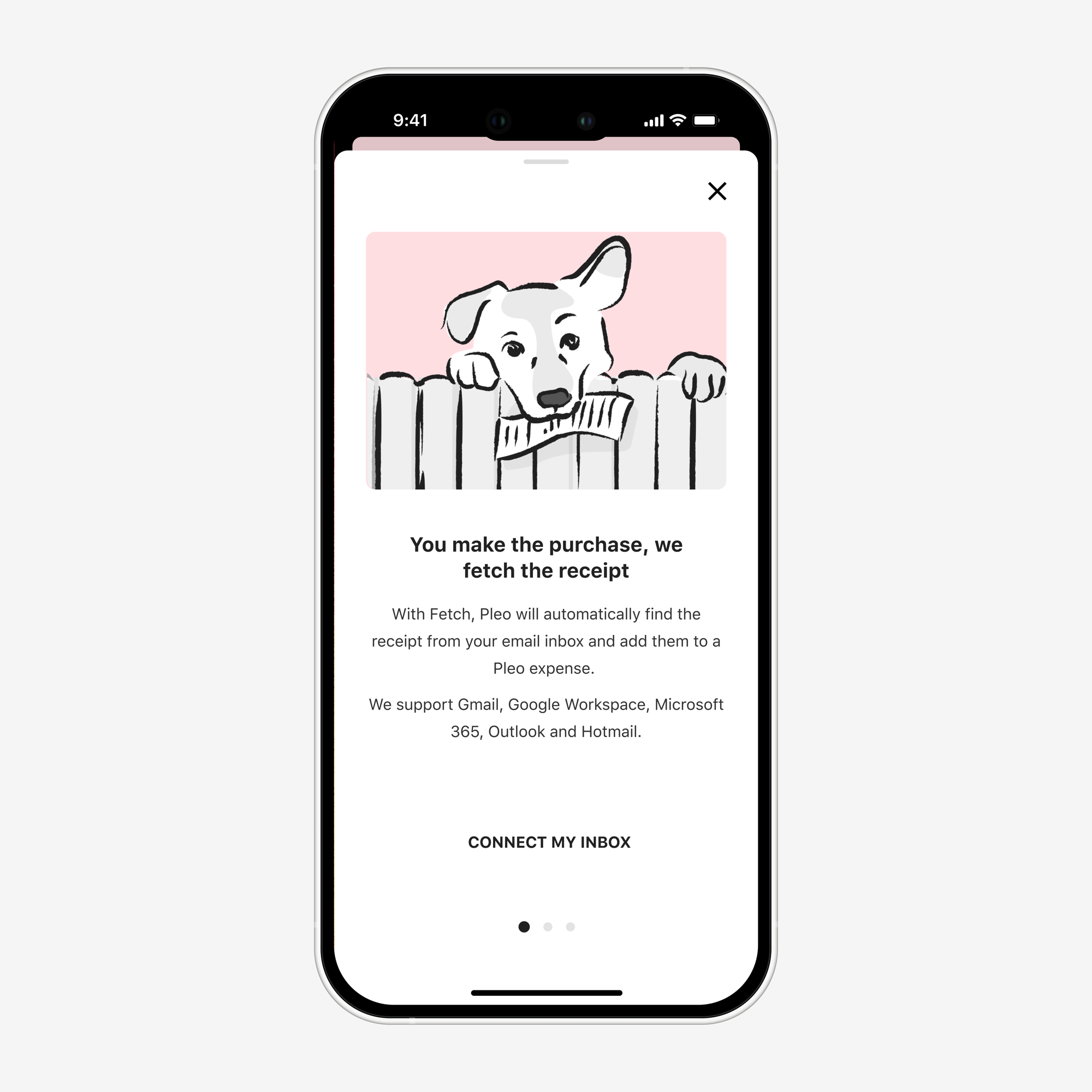
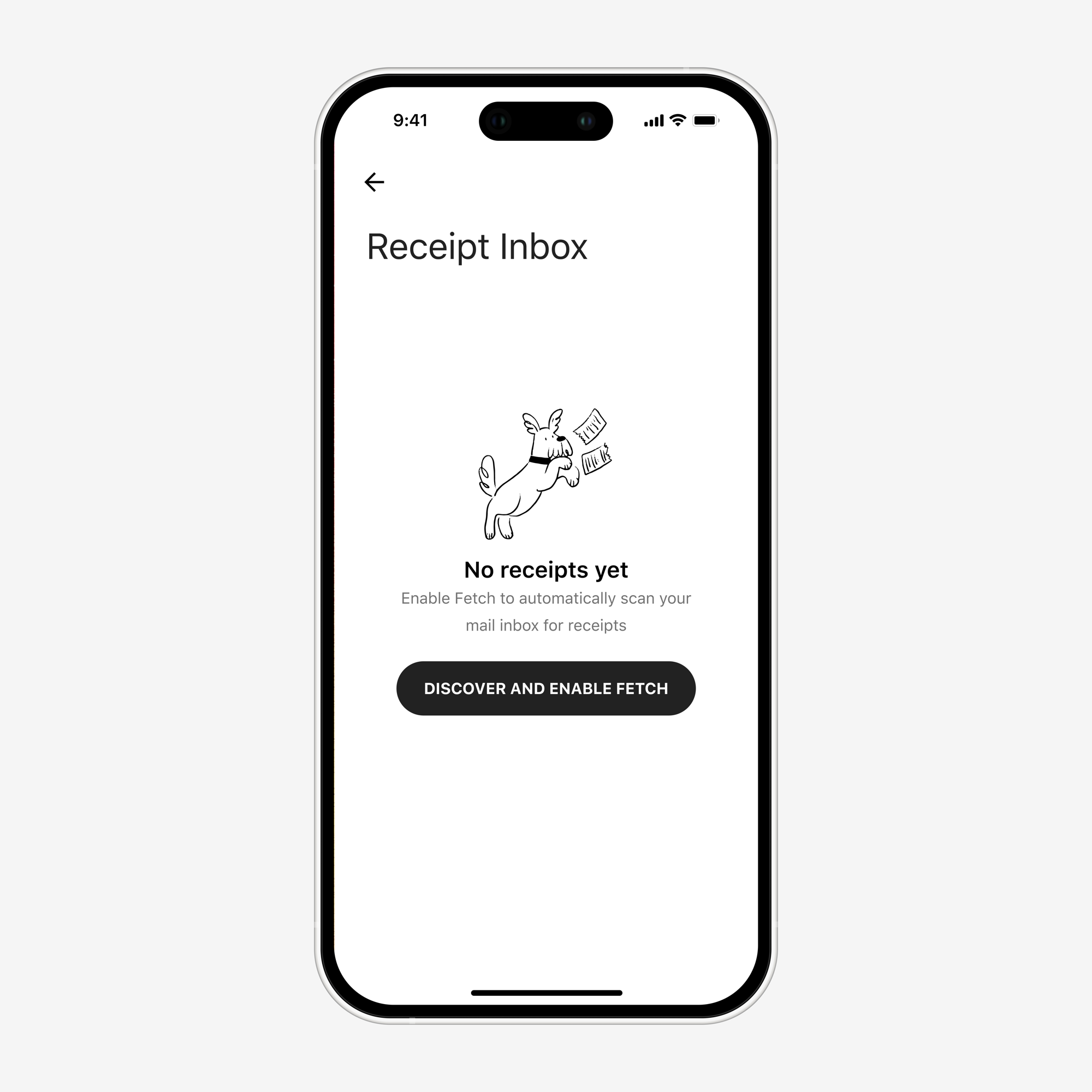
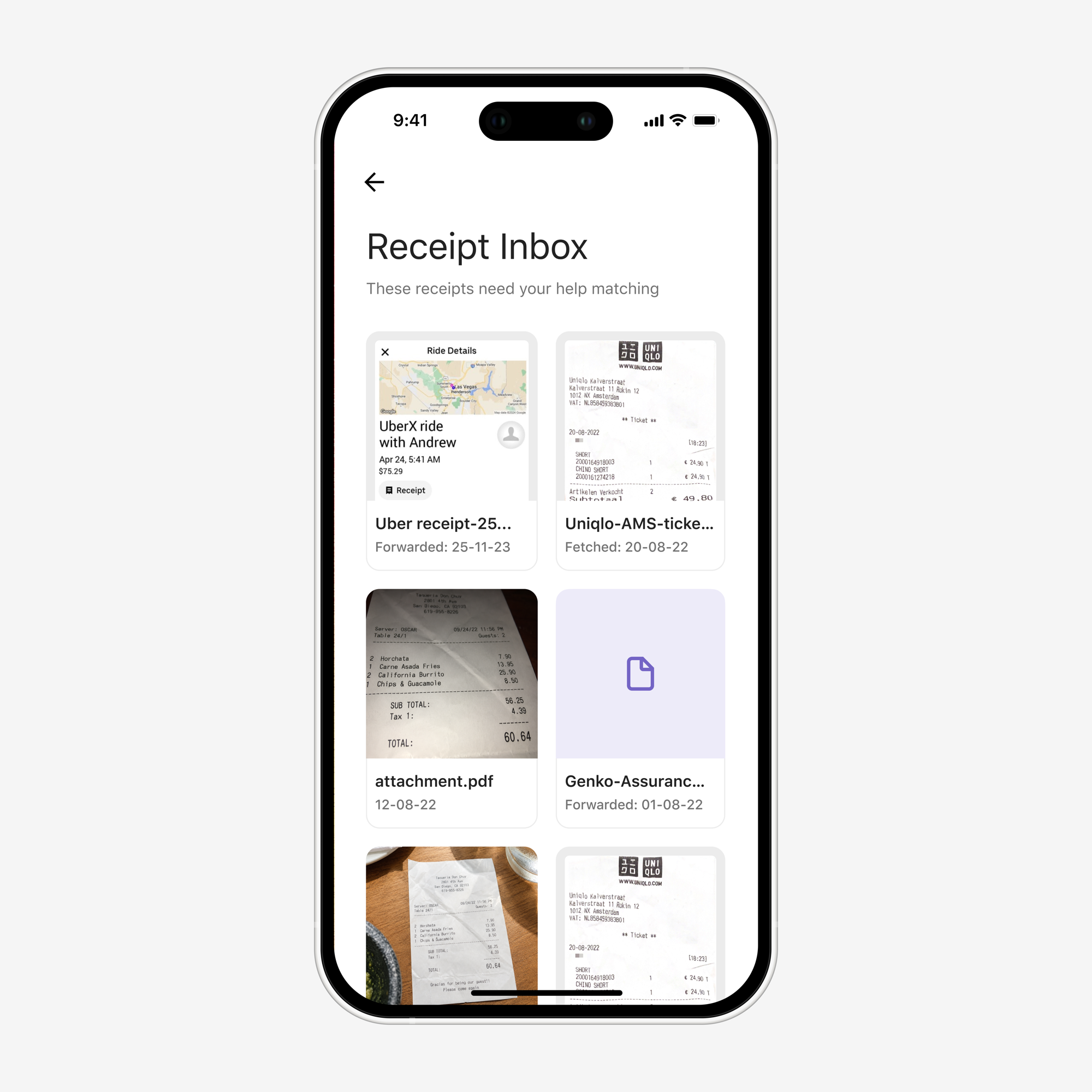
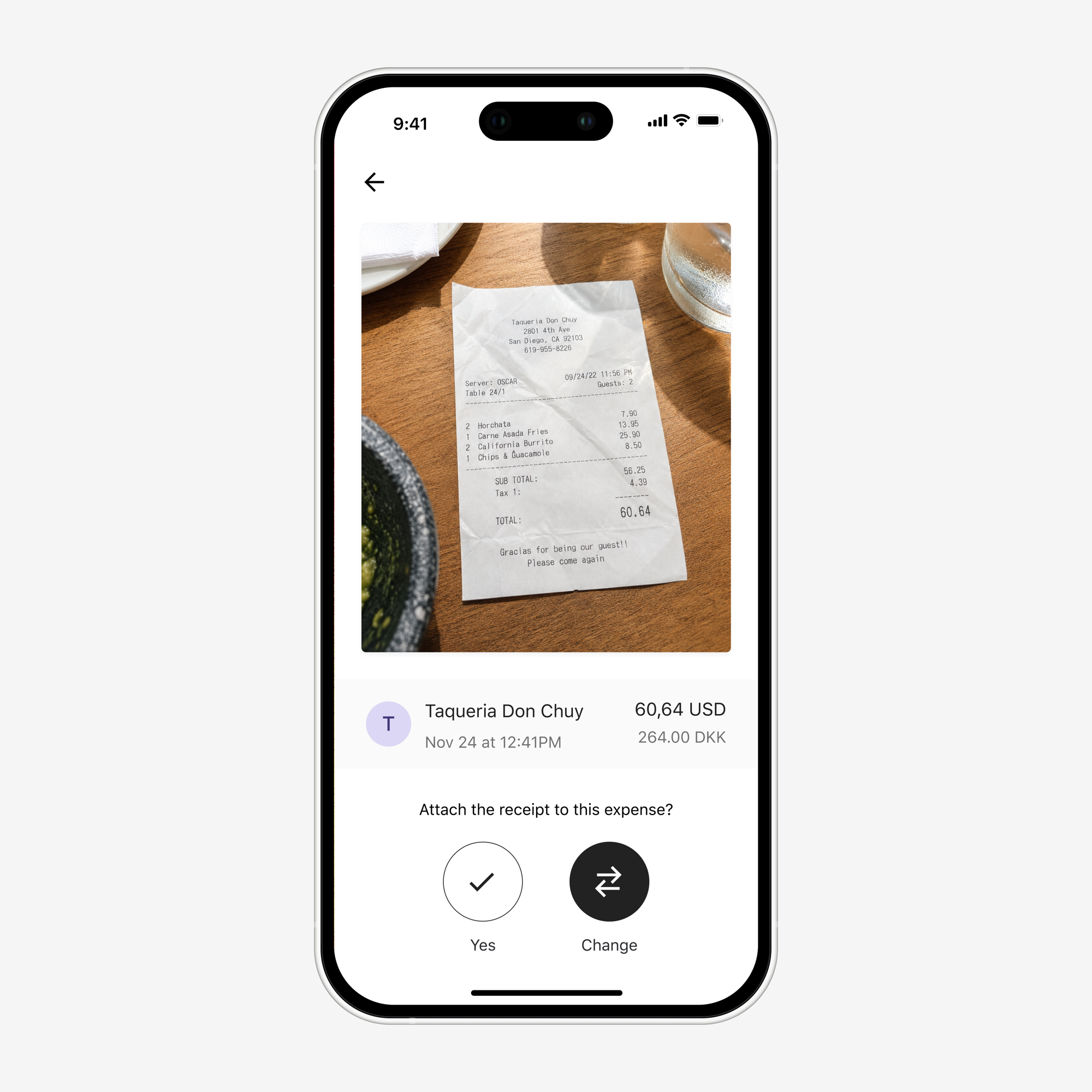
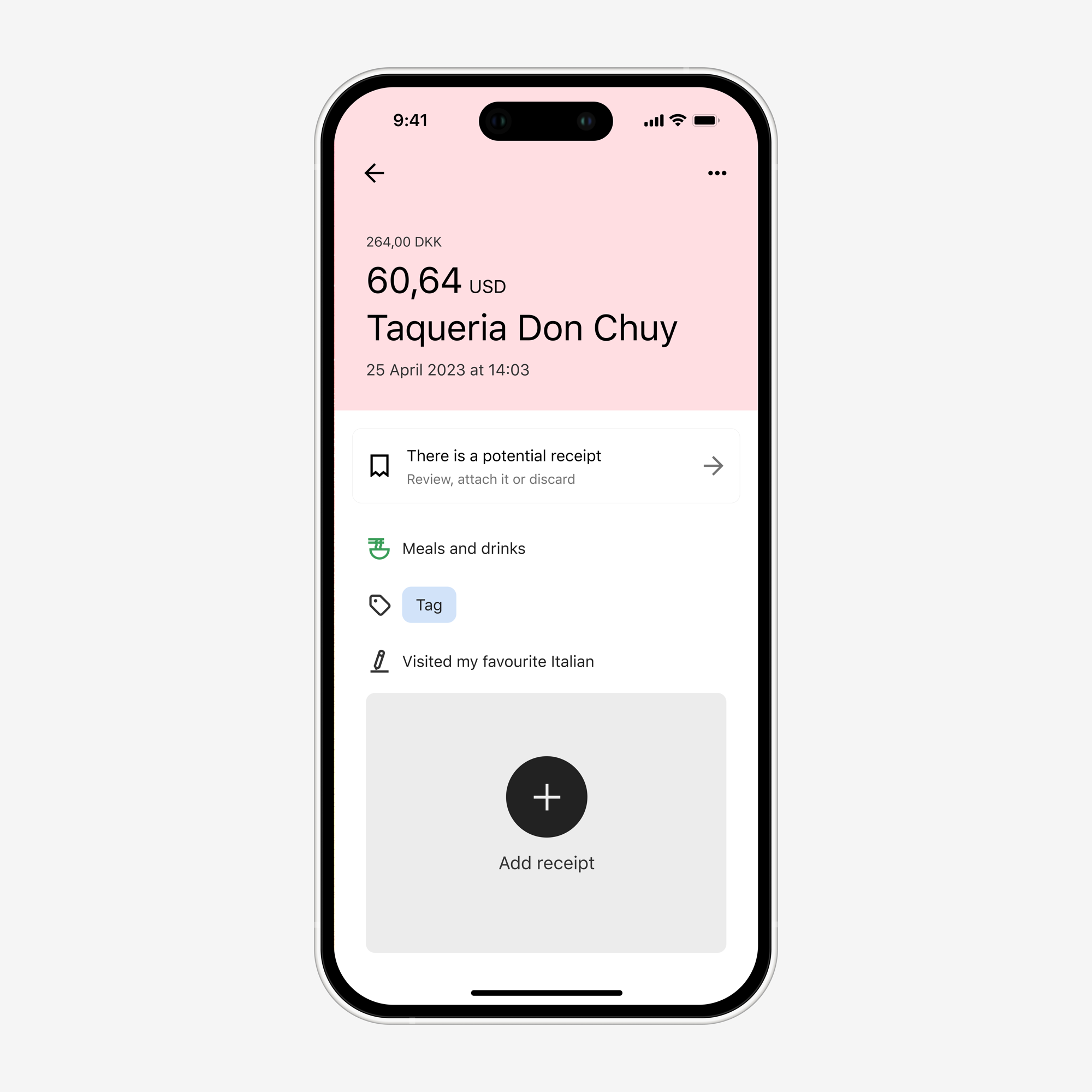
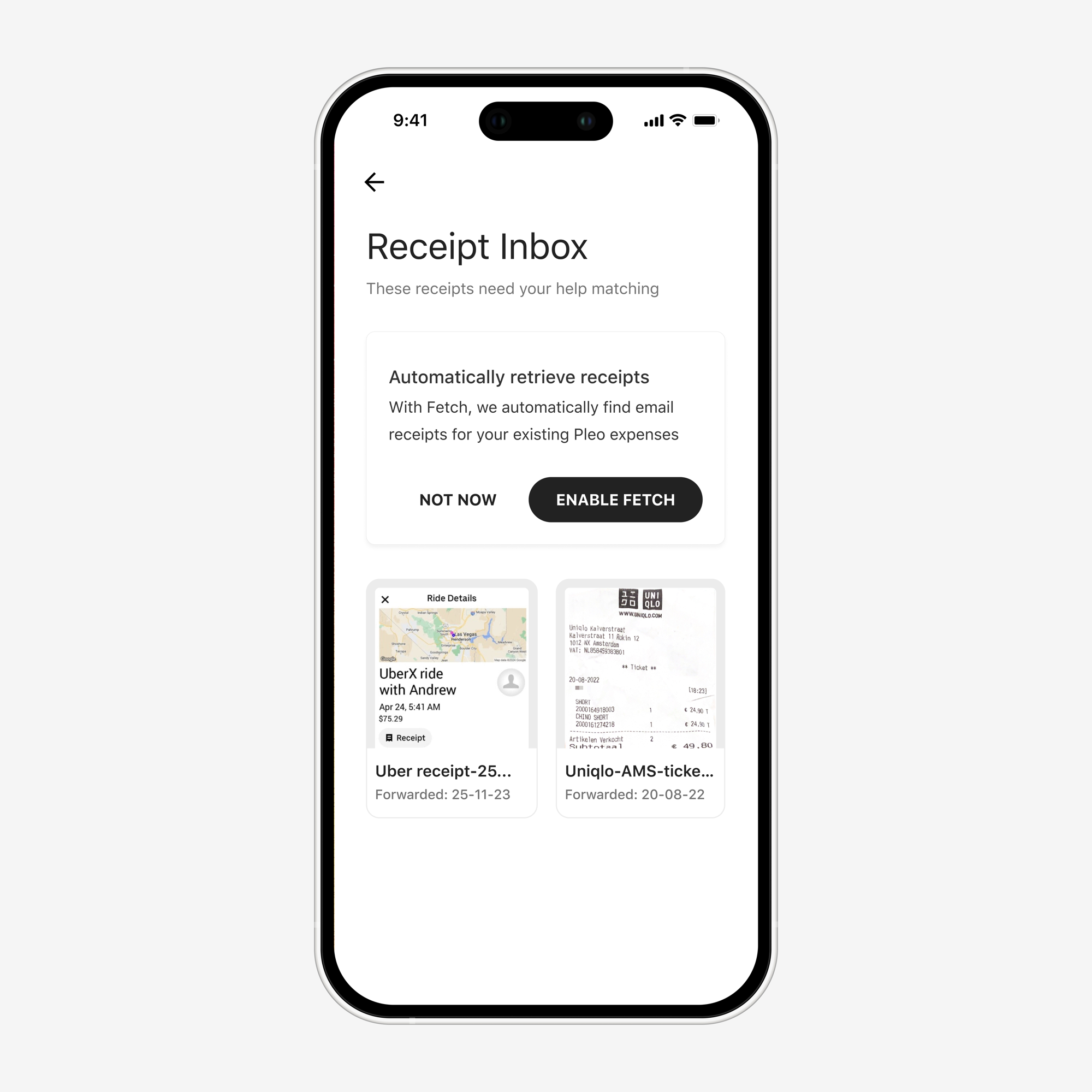
We introduced Receipt Inbox, a private space where users could review uncertain receipt matches. High-confidence matches stayed automatic. Medium-confidence matches went to the inbox. Low-confidence matches were rejected. Users could attach or dismiss receipts with minimal effort.
Tradeoffs
We kept automation for obvious cases, but added manual review where the system was unsure. This created one extra step for some users. The benefit was more control, better privacy, and fewer lost receipts. We worked within the existing Fetch system instead of rebuilding the matching engine.
Outcome
- 81% to 85% Receipt attachment rate increased.
- 50% to 55% Complete expense submissions increased.
- 1,000+ Additional receipts attached per month.
- 67% Inbox receipts successfully attached by users.
Learnings
✽ Automation works best when confidence is visible.
Not every edge case should be fully automated. Users trust automation more when they can review and control uncertain cases.
✽ Privacy is part of the product experience.
Privacy is not just a technical requirement. It shapes whether users feel safe letting automation handle sensitive workflows.
✽ Confidence levels became a reusable pattern.
The three-tier model became a useful pattern for future AI-assisted workflows.